If you are thinking about selling in Carbondale, one question matters right away: how do you price and prepare your home for a market that does not behave like Aspen and does not always follow a neat monthly pattern? That can feel tricky, especially in a thinly traded market where a few sales can skew the numbers. The good news is that a smart local plan can help you focus on what actually moves the needle, from pricing and prep to showings and negotiations. Let’s dive in.
Why Carbondale Requires a Local Strategy
Carbondale is a mid-valley market with its own pace, price points, and buyer expectations. In the April 2026 Aspen-Glenwood Springs MLS report, single-family homes in Carbondale posted a median sales price of $1.775 million, with sellers receiving 95.2% of list price on average and a median 166 days on market.
That same report shows why local context matters. Aspen single-family homes had a much higher median sales price of $12.75 million and a longer 276 days on market, while Basalt single-family homes reached a $2.177 million median and 158 days on market. In other words, Carbondale is not a smaller version of Aspen, and pricing your home like it is can cost you time and leverage.
Carbondale’s attached market tells a slightly different story. Townhomes and condos showed a median sales price of $811,166, 96.9% of list price received, 139 days on market, and 2.6 months of supply. Because inventory and sales counts are relatively small, year-to-date trends usually say more than any single month.
Price for the Market You Have
Pricing is one of the most important decisions you will make. In a market where single-family sellers are getting about 95.2% of list price and homes are taking 166 days to sell on average, aspirational pricing can backfire.
A strong pricing strategy starts with recent closed comparable sales. From there, you adjust for differences in size, condition, location, amenities, and current market conditions. Your own timeline matters too, because a seller who wants a faster sale may choose a more competitive price than someone with more flexibility.
The goal is not simply to ask for the highest number possible. The goal is to position your home so buyers see it as credible and worth acting on. In Carbondale, disciplined pricing often creates better momentum than testing the market too far above recent closed comps.
What a Smart Pricing Review Should Consider
- Recent closed sales, not just active listings
- Home size and layout
- Condition and updates
- Lot, setting, and location within Carbondale
- Amenities and features
- Current inventory and months of supply
- Your preferred timing and move plan
Focus on Prep That Buyers Notice
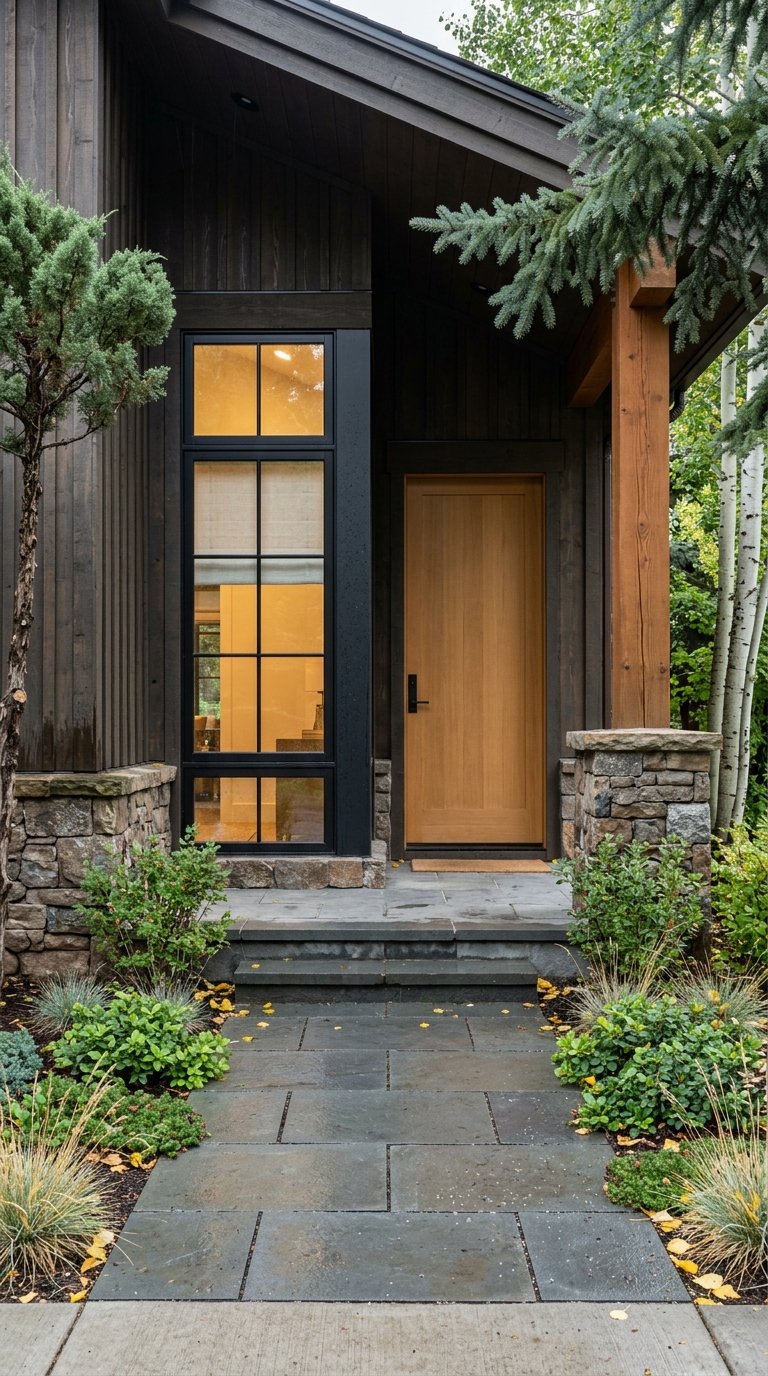
Most sellers do not need a major renovation before listing. In many cases, the most effective work is simpler and more practical: clean the home thoroughly, declutter, fix obvious defects, and improve curb appeal.
That approach lines up with what buyers respond to during showings. A home that feels clean, cared for, bright, and easy to understand often performs better than one with expensive changes that do not match buyer priorities.
Photos also matter. Buyers often form their first impression online, and strong listing photography helps your home stand out. Staging can support that effort too by helping buyers picture how the space functions and feels.
Your Carbondale Pre-List Checklist
Before your home hits the market, focus on these basics:
- Deep clean every room
- Clear counters and simplify surfaces
- Remove excess furniture to improve flow
- Replace burned-out bulbs
- Touch up scuffed or chipped paint
- Clean windows inside and out
- Address carpet or drape odors
- Tidy the yard, entry, and gutters
- Handle minor repairs you have been putting off
These steps are not flashy, but they are visible. In a market where buyers are comparing homes carefully, presentation can shape how quickly they book a showing and how seriously they view your asking price.
Consider Wildfire Readiness Before Listing
In Carbondale, wildfire preparedness is not just a seasonal concern. It can also be a meaningful part of pre-list planning, especially for homes with trees or vegetation close to the structure.
The Carbondale & Rural Fire Protection District offers no-charge home wildfire mitigation consultations and recommends steps like creating defensible space, cleaning roofs and gutters, and using fire-resistant landscaping. For some properties, this kind of work can improve both presentation and buyer confidence.
If your exterior needs attention, it is worth addressing that before photos and showings begin. Buyers notice overgrown areas, debris, and maintenance risks, and a cleaner exterior can help your home feel better cared for from the start.
Decide Whether a Pre-List Inspection Makes Sense
A pre-list inspection is optional, but it can help you identify issues before a buyer does. Depending on the home, that may include concerns related to the roof, HVAC, plumbing, electrical systems, ventilation, radon, lead paint, or asbestos.
For some sellers, this step offers clarity and reduces surprises during escrow. It can also help you decide whether to make repairs in advance or prepare for likely questions once the home is under contract.
It is also smart to gather appliance manuals, system records, and any transferable warranties early. Small paperwork items can become bigger delays later if you wait until the closing process is already moving.
Get Colorado Disclosures Ready Early
Disclosure prep should never be left to the last minute. Colorado’s residential Seller’s Property Disclosure form is completed by the seller based on the seller’s current actual knowledge, and it must be updated if you discover a new adverse material fact.
That means it helps to start early and answer carefully. If your home was built before 1978, lead-based paint disclosure obligations also apply before a contract is signed.
A well-prepared disclosure package supports a smoother transaction. It helps set expectations, reduces confusion, and gives buyers a clearer picture of the property from the start.
Time Your Launch Around Buyer Activity
Seasonality still matters in mountain markets. Sales activity tends to rise in spring and summer and slow in winter, with January typically being the slowest month.
For many Carbondale sellers, that makes late winter and early spring a practical prep window. It gives you time to finish repairs, complete staging, schedule photography, and enter the market when buyer activity is typically stronger.
That does not mean every home should wait for spring. It means your timeline should be intentional. If you are planning ahead, giving yourself enough runway to prepare well can improve your launch and your negotiating position.
Make Showings Easy and Consistent
Once your home is listed, every showing is a chance to reinforce value. Buyers tend to respond best when a home feels clean, bright, accessible, and easy to tour.
That is where simple showing habits matter. Keep clutter to a minimum, make sure lighting works, tidy outdoor spaces, and manage pets and personal items in advance. If possible, leave the home during showings so buyers can move through the space comfortably.
In Carbondale, where buyers may compare occupied, vacant, and partially staged homes in the same search, presentation consistency matters. A strong first showing can build momentum. A difficult or distracting one can slow it down.
Showing-Day Basics
- Open blinds and turn on lights
- Wipe down kitchen and bath surfaces
- Store pet items and manage pet access
- Secure valuables and medications
- Make beds and straighten seating areas
- Sweep entry paths and patios
- Leave the home during the showing if you can
If you use virtual staging in marketing, any material photo enhancement should be disclosed. Buyers should have a clear and accurate sense of what they will see in person.
Look Beyond the Highest Offer
When offers come in, the highest price is not always the best outcome. Strong terms and a high level of certainty can matter just as much.
A serious offer often includes proof of funds for cash, strong lender backing for financed buyers, reasonable contingencies, and a closing date that works with your move plan. Buyers who appear realistic during inspections and responsive during due diligence can also reduce stress and risk.
This is where a numbers-led, transaction-first approach matters. The best offer is usually the one that balances price, terms, and the likelihood of actually getting to the closing table on schedule.
What Moves the Needle Most in Carbondale
If you want to keep your selling plan focused, start with the controllables. In Carbondale, the biggest levers are usually price discipline, thoughtful prep, strong photography, and clean showing logistics.
Those are the areas where sellers often gain or lose momentum. They shape how buyers perceive value, how long a home sits, and how much room there is for negotiation.
Selling well in Carbondale is less about chasing an outlier number and more about executing a clear local strategy. When your pricing, presentation, and timing line up, you put yourself in a much better position to attract serious buyers and negotiate from strength.
If you are preparing to sell in Carbondale and want a practical, valley-informed plan, Aspen Snowmass Group can help you evaluate pricing, prep, timing, and offer strategy with a clear eye on results.
FAQs
How long does it take to sell a home in Carbondale?
- Based on the April 2026 Aspen-Glenwood Springs MLS report, Carbondale single-family homes had a median 166 days on market, while townhomes and condos had a median 139 days on market.
How should you price a Carbondale home for sale?
- A smart pricing strategy uses recent closed comparable sales and adjusts for size, condition, location, amenities, market conditions, and your timeline rather than relying on aspirational pricing.
What should you fix before listing a Carbondale home?
- Focus first on deep cleaning, decluttering, touch-up paint, lighting, window cleaning, odor removal, yard cleanup, gutter cleaning, and obvious minor repairs that buyers will notice during showings.
Should you do wildfire mitigation before selling in Carbondale?
- For many homes, yes, especially if vegetation is close to the structure, because the Carbondale & Rural Fire Protection District recommends defensible space, roof and gutter cleaning, and fire-resistant landscaping.
What disclosures are required when selling a home in Colorado?
- Colorado sellers complete the current residential Seller’s Property Disclosure form based on their actual knowledge and must update it if a new adverse material fact is discovered, and homes built before 1978 also require lead-based paint disclosure before contract signing.
When is the best time to list a home in Carbondale?
- Spring and summer often bring stronger buyer activity, so late winter and early spring can be a smart time to finish repairs, staging, and photography before listing.