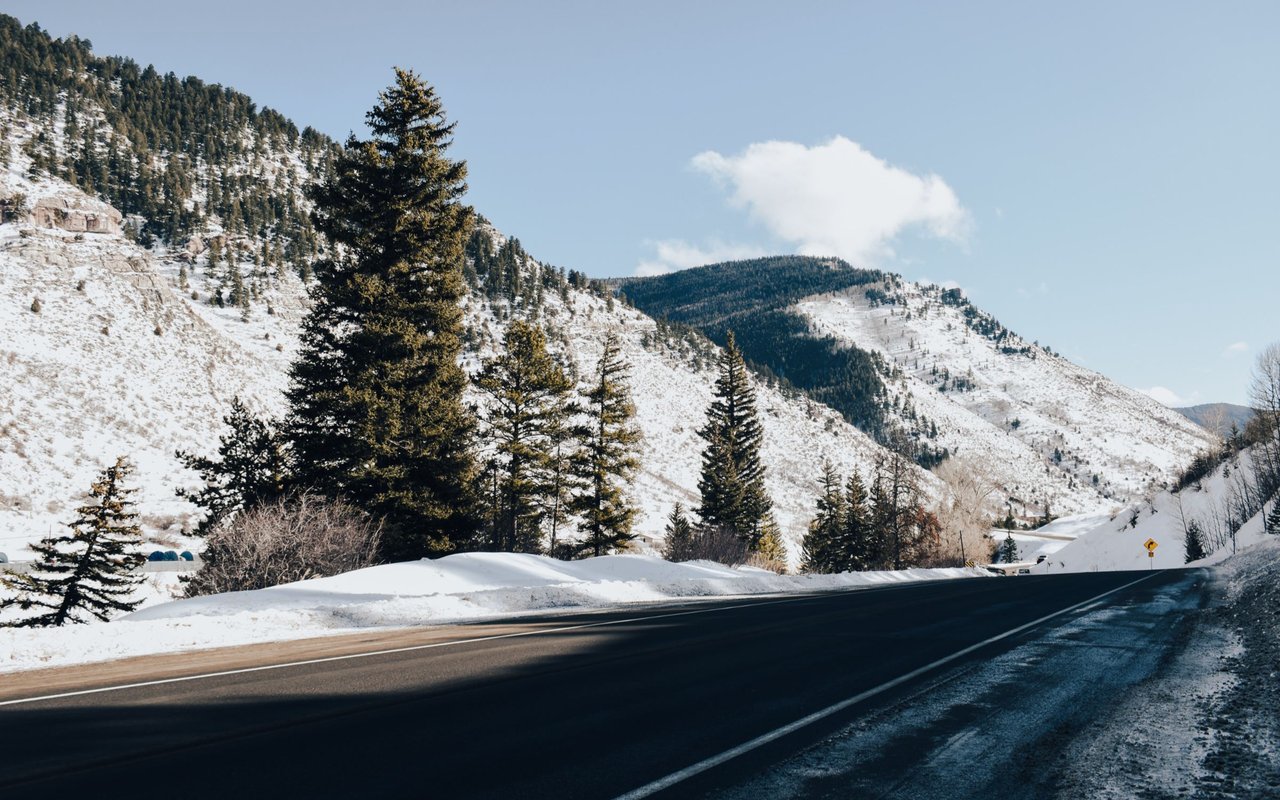
A herd of forty to fifty elk moves through the pasture below a house on the Old Snowmass mesa most evenings, unhurried, crossing in the kind of loose single file that looks almost deliberate. Longtime residents describe watching them from a kitchen window at dusk, then again near the airport fences along Owl Creek Road, then later crossing the bench above the Roaring Fork at McLain Flats in the dark. It is the kind of nightly scene that only works if the dark stays dark. For years that was just how things were out here. Now it is also, specifically, a legal requirement.
In February 2026, DarkSky International certified Old Snowmass as an International Dark Sky Community, one of just 20 such places in Colorado and one of 273 worldwide. That is the headline most people will see. It is also the smaller part of the story. The certification is a report card on a change that had already happened a year earlier, when Pitkin County rewrote its exterior lighting code. The badge came after the rule. For anyone who owns property in Old Snowmass, the rule is the part that actually touches your porch light.
The Encounter That Started It
Martha Ferguson has lived in Old Snowmass since 1984 and has an eastern exposure that lets her watch the sky change color before sunrise. That habit is what tipped her off to a problem most neighbors weren't tracking.
"I get up sometimes at three or four in the morning and because I have an eastern exposure I can see a lot of beautiful stuff. I got up early one morning and I looked out and somebody across the way had two gigantic columns of light blasting through the night, and the glare just took away any kind of view of the eastern sky."
That single sighting is what led her back onto the board of the Snowmass Capitol Creek Caucus, the neighborhood nonprofit that has advised Pitkin County on land use in the Snowmass and Capitol Creek valleys since 1974. It's also what led her to found WildSky Old Snowmass, the advocacy group that spent roughly eighteen months lobbying commissioners, consulting on code language, and building support from organizations as varied as the Aspen Center for Environmental Studies, Wilderness Workshop, and the Lowell Observatory in Flagstaff before the county acted.
The Ordinance Came Before the Badge
The actual mechanism is Pitkin County Ordinance No. 004-2025, which rewrote Land Use Code Section 7-20-140 and took effect March 1, 2025, nearly a year before the DarkSky certification arrived. This is worth sitting with, because it means the practical part of this story isn't new. It has been the law for a year and a half already, whether or not a given homeowner has caught up with it.
The numbers that matter if you own a house here:
- Exterior lights must go dark between 10 p.m. and 6 a.m., with exemptions for motion sensors capped at five minutes, photocells with a one-hour timer, and required egress lighting on stairs and entrances.
- Single-family homes get a total lumen allowance calculated at 3.5 lumens per square foot of approved above-grade floor area, capped at 35,000 lumens no matter how large the house.
- Illuminating a building facade, a driveway, landscaping, or the Roaring Fork, Frying Pan, or Crystal Rivers and their tributaries is now flatly prohibited.
- Residential holiday lights are allowed from November 15 through January 30. Lighting tied to other local, national, or religious holidays gets a narrower window, two weeks before and one day after.
- Fixtures that don't meet the new standard aren't required to be ripped out overnight. They're legally nonconforming for five years from adoption, meaning the practical deadline lands around March 2030, unless a neighbor complaint forces the issue sooner.
That last point is the one most likely to catch a homeowner off guard. If you're building new or replacing a fixture now, the code applies immediately. If you've got older landscape lighting that predates the ordinance, you have a runway, but it isn't indefinite, and a code enforcement complaint can accelerate the timeline for a specific fixture regardless of the five-year window.
Why the Commissioners Argued Over One Hour
The curfew didn't arrive at 10 p.m. to 6 a.m. by consensus. Earlier drafts of the ordinance set the morning cutoff at 7 a.m. Commissioner Francie Jacober pushed to move it back to 6 a.m., arguing that a 7 a.m. curfew ignored how early the workday actually starts for a lot of residents in a ranching community.
It's a small detail, but it's the kind that tells you this wasn't a rule imported wholesale from somewhere else and stapled onto Old Snowmass. It was negotiated with the specific rhythms of this place in mind, where people are out the door and working well before commuters in town are pouring coffee.
What the Rule Is Actually Protecting
Pitkin County Commissioner Jeffrey Woodruff, who represents the district that includes Old Snowmass, connected the lighting code directly to habitat protection already underway in the area, describing the Snowmass and Capitol Creek valleys as critical wildlife corridors that the county has separately worked to protect through conservation easements and wilderness additions. Keeping the sky dark isn't a separate hobby from that work. It's the same project, aimed at the hours after sunset instead of the acreage during the day.
That's the part that connects back to the elk crossing the pasture at night, or to the herds that gather in the old potato fields along Lower River Road. Migrating animals rely on dark corridors the same way stargazers do, and the code was written with both in mind.
The upside for residents is visible on a clear night without any equipment at all. Old Snowmass photographer Pete McBride has captured the Milky Way arcing over Capitol Peak and Mount Daly from right here, the kind of image that used to require a drive into true backcountry and now just requires stepping outside after the porch light times out.
If You Live Here, the Checklist Looks Like This
Skip the code citations and ask yourself four questions about your own property:
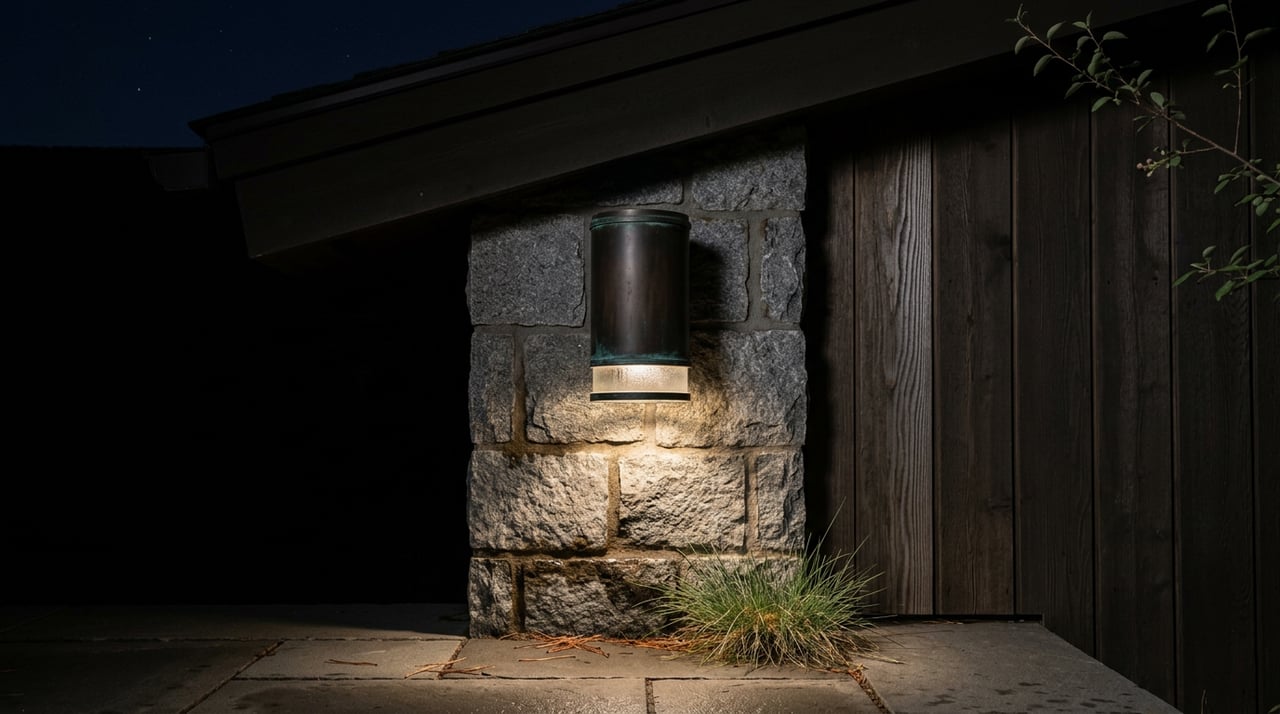
- Are your exterior fixtures shielded so the bulb itself isn't visible from your property line, and are they going dark by 10 p.m.?
- Have you actually calculated your home's lumen allowance, or are you assuming your current fixtures fall under 3.5 lumens per square foot of above-grade floor area?
- If you string holiday lights, are they timed to the November 15 to January 30 window, or the tighter two-week-before, one-day-after rule for other holidays?
- If a fixture predates March 2025 and doesn't meet the new standard, do you have a plan before the five-year nonconforming period runs out around 2030, or before a neighbor files a complaint that forces the issue early?
None of this requires an electrician's visit to figure out. It requires actually reading the fixture on your own eave rather than assuming the new rules were written for someone else's house.
The Neighbors Who Keep This Going
The Snowmass Capitol Creek Caucus isn't only a land-use watchdog. It's also the group that hosts the annual summer picnic, organizes a spring road cleanup with a running joke about rewarding whoever hauls in the worst trash, and has started an annual storytelling night for residents to swap history about the valley. Its offshoot star parties, including one held at Buttercup Ranch, give neighbors a reason to actually use the dark sky the ordinance protects, rather than just comply with it.
That's the real shape of this story. The certification made headlines for a weekend. The ordinance is what changes what your house is allowed to do every single night, and the caucus is what turns that legal fact into something residents actually gather around. If you're trying to figure out where your own fixtures land on that math, the county's ordinance text and Pitkin County's lighting FAQ are both public records worth five minutes with a tape measure and your utility bill.
If you're weighing what any of this means for a property you already own in Old Snowmass, or wondering how a rural mesa lot with a documented wildlife corridor factors into a future sale, Mike Eaton has spent years working land, ranch, and resort transactions across the Roaring Fork Valley and can walk you through it directly. Start the conversation.