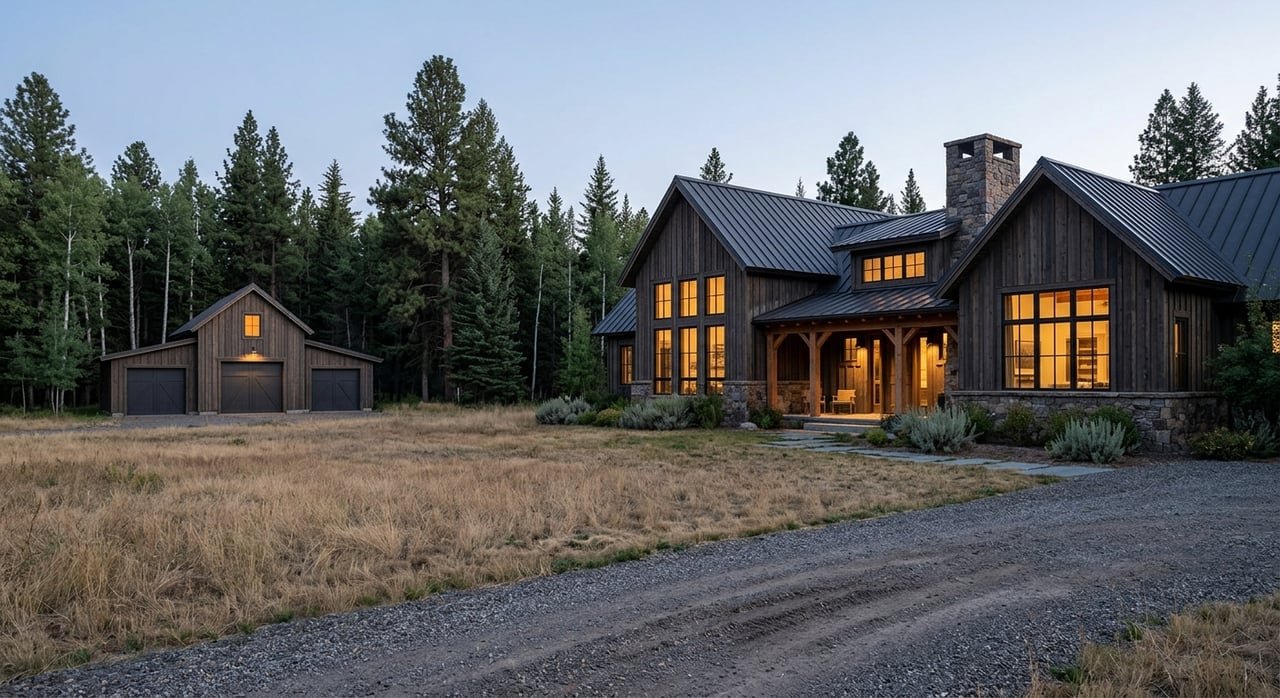
If you are drawn to big mountain views, room to spread out, and the possibility of keeping horses, Missouri Heights can be one of the most compelling areas above Carbondale. It offers a very different lifestyle than living in town, with larger parcels, more separation between properties, and a stronger connection to the land itself. If you are considering a move here, it helps to understand both the upside and the day-to-day realities before you make a decision. Let’s dive in.
Missouri Heights Is About Land
Missouri Heights should be viewed as a rural, acreage-oriented part of the Carbondale market, not as an in-town neighborhood. Garfield County records describe the area as rural, historically agricultural, and valued for views of the Roaring Fork Valley, Mount Sopris, and the Elk Mountain Range.
That framing matters because your decision here is not just about location. It is also about parcel size, privacy, and how you want to live day to day. In Missouri Heights, privacy often comes from land scale and topography rather than from being far from activity.
Garfield County road records also support that spread-out character. CR 102 is identified as Missouri Heights, with nearby roads like Basalt Mountain Drive and Panorama Drive reinforcing the area’s low-density, rural layout.
Views And Open Space Drive Appeal
For many buyers, the main draw is simple: space and scenery. County approval documents for a Missouri Heights subdivision on Harmony Lane described the site as having terrific views of the valley, Mount Sopris, and the Elk Mountain Range.
That kind of view-driven appeal is central to the market here. Even when parcels are divided, the county example shows that home sites can remain large enough to preserve an acreage feel.
If you are comparing Missouri Heights with central Carbondale or other more built-out areas, this is the tradeoff in plain terms. You gain open space, broader vistas, and a more private setting, but you also take on more rural ownership responsibilities.
The Setting Feels Higher And More Rural
Garfield County’s Carbondale profile places the broader area at 6,181 feet with about 295 days of sunshine. That helps explain why Missouri Heights feels distinct from lower, denser areas in the valley.
For buyers, that can translate into a lifestyle choice as much as a real estate choice. You are not just selecting a home. You are choosing a higher-country setting with more land and a more self-directed ownership experience.
Horses Are Possible, But Details Matter
Missouri Heights has real appeal for buyers who want horse property. Garfield County land use rules allow agricultural uses, agritourism, accessory agricultural structures, and riding stables in various districts, and the county’s floodplain overlay specifically lists grazing of horses and livestock as an allowed agricultural use.
That said, horse-friendly land and agricultural tax treatment are not the same thing. This is one of the most important distinctions for buyers to understand early.
Agricultural Tax Status Is Not Automatic
Garfield County’s assessor is clear that agricultural classification depends on actual farm or ranch use and a profit motive. The office also states that boarding or pleasure horses generally do not qualify, and land kept in pens or corrals rather than grazed generally does not qualify.
In practical terms, that means you should not assume a large parcel or horse setup automatically receives agricultural tax treatment. If tax status is important to your purchase, you will want parcel-specific verification before moving forward.
Pasture Care Is Part Of Ownership
Horse ownership here is also tied to land management. Garfield County vegetation management information says Russian knapweed is common in Missouri Heights and is toxic to horses.
The county also notes absinth wormwood in Missouri Heights and across the broader Glenwood Springs to Carbondale corridor. For you as an owner, that means pasture maintenance and weed control are not minor issues. They are part of responsible property upkeep.
Winter Access Requires Planning
One of the biggest differences between in-town living and Missouri Heights living is road access during winter. Garfield County Road and Bridge says winter plowing begins with primary roads during storms and returns after storms to widen and clean them.
The county also makes clear that it does not clear driveway berms, and those berms are the homeowner’s responsibility. It is also not a 24-hour service.
That matters when you evaluate a property. If easy winter access is a priority, you will want to look closely at driveway length, slope, turnaround space, and how the parcel connects to maintained roads.
Road Conditions Can Vary By Address
County maintenance records show active work in the corridor, including chipseal scheduling for CR 102 Missouri Heights and nearby roads such as Panorama Drive, Buck Point Road, Basalt Mountain Drive, and Elk Range Road. One county project note warns of possible closures due to narrow roadway sections.
That is a reminder that access is not one-size-fits-all in Missouri Heights. Two homes in the same general area can have very different day-to-day driving conditions depending on road geometry, subdivision layout, and parcel location.
Wildfire Readiness Is Part Of Rural Living
Garfield County’s 2022 wildfire plan states that evacuation planning and maps have been developed for the Missouri Heights subdivision. The same plan notes that transportation corridors can be challenging for responders who are unfamiliar with the area.
More broadly, the county emphasizes that mountain communities often have limited points of ingress and egress. For you as a buyer, that makes access, turnaround space, and evacuation planning part of the buying decision, not an afterthought.
Private Water Systems Need Attention
Infrastructure is another key difference in Missouri Heights. Garfield County says several thousand homes in the county rely on private drinking water systems, mostly groundwater wells, though some use springs or hauled water to cisterns.
The county also states that private systems are the owner’s responsibility and are not regulated for safety or water quality like public systems. In short, when you buy rural property, you are often choosing a private utility model rather than a municipal one.
Check The Well Permit Early
Well permitting is handled by the Colorado Division of Water Resources, not Garfield County. The state says the permit file includes allowable uses and any construction records.
That makes the well permit file and well log important due diligence items early in a transaction. If a property depends on a private water source, you want to know exactly what is permitted and documented before you close.
Septic Systems Are A Core Part Of Due Diligence
On the wastewater side, Garfield County Public Health regulates onsite wastewater treatment systems, often called OWTS or septic systems. The county says new, repaired, and altered systems require an application, site and soil evaluation, system design, and site plan.
Garfield County also adopted updated OWTS regulations on April 13, 2026, effective May 28, 2026. Its building permit guidance further shows that a new single-family dwelling packet includes building, driveway, grading, and septic permits.
For buyers, the takeaway is simple. Septic is not a box to check at the end. It is a core part of understanding the property.
Utilities And Connectivity Should Be Verified
In unincorporated Garfield County, water service may come from a special district, an HOA, a private provider, or an individual private well, spring, or other source. That supports a broader point about Missouri Heights: services can vary substantially from one address to the next.
The same address-specific mindset applies to internet access. Garfield County broadband planning includes Missouri Heights among rural areas targeted for expanded service, so connectivity should be verified rather than assumed.
What Missouri Heights Living Really Means
At its best, Missouri Heights offers the kind of setting many buyers imagine when they picture mountain acreage. You can find larger parcels, broad views, more privacy, and legitimate potential for horse use.
At the same time, the ownership model is more hands-on. Winter access, wildfire planning, weed management, private water, septic upkeep, and parcel-specific review of land use and tax treatment all come with the territory.
That is why the smartest approach is to look past the view alone. When you understand both the lifestyle benefits and the operational details, you can decide whether Missouri Heights truly fits how you want to live.
If you are weighing acreage, horse property, or a view-driven home above Carbondale, working with a broker who understands the valley’s rural markets can save time and help you focus on the right questions early. To start the conversation, connect with Aspen Snowmass Group.
FAQs
What makes Missouri Heights different from in-town Carbondale?
- Missouri Heights is a rural, acreage-oriented area with larger parcels, wider separation between homes, and a more private, land-based lifestyle than typical in-town housing.
Can you keep horses on Missouri Heights property?
- Garfield County allows certain agricultural uses, including grazing of horses and livestock in some contexts, but allowed use depends on the specific parcel, district, and property setup.
Does horse property in Missouri Heights qualify for agricultural tax status?
- Not automatically. Garfield County says agricultural classification depends on actual farm or ranch use and profit motive, and pleasure or boarding horses generally do not qualify.
What should you know about winter road maintenance in Missouri Heights?
- Garfield County prioritizes primary roads during storms, is not a 24-hour service, and does not clear driveway berms, so access conditions can vary and homeowners handle some responsibilities themselves.
Are wells and septic systems common in Missouri Heights?
- Yes. Rural properties in unincorporated Garfield County may rely on private wells, springs, cisterns, and onsite wastewater systems, so buyers should review permits, records, and system details carefully.
Is internet service the same across Missouri Heights?
- No. County broadband planning includes Missouri Heights as a rural area targeted for expanded service, which means connectivity is worth confirming for each specific address.