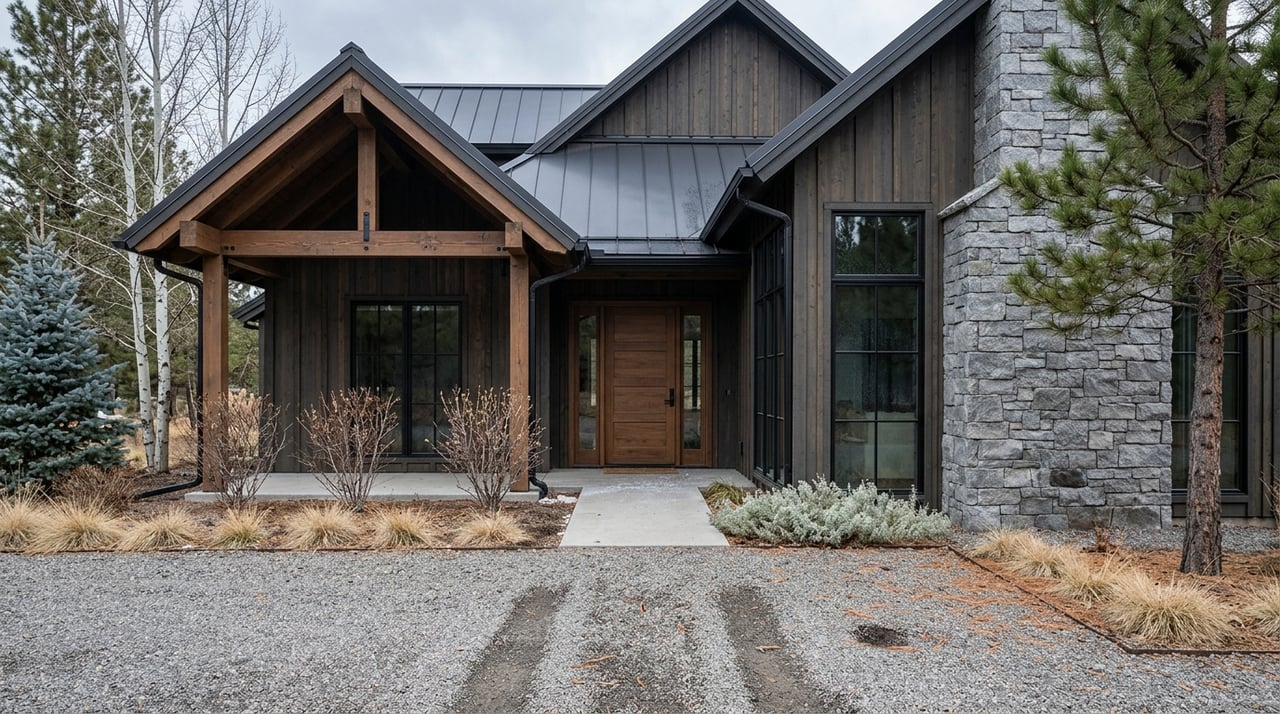
Are you better off steps from Main Street or on a larger parcel outside town? If you are weighing Carbondale in-town living against outlying acreage, the answer usually comes down to how you want your days to work, not just how much land you want. This guide breaks down the real trade-offs in Carbondale so you can compare convenience, privacy, maintenance, and long-term appeal with more confidence. Let’s dive in.
Why this choice matters in Carbondale
Carbondale is a small but active market, with 6,637 residents spread across just 2.1 square miles according to the ACS 2024 5-year estimates. That compact footprint helps explain why location can shape your daily routine so much here.
The same data shows a mean travel time to work of 27.8 minutes and a transportation mix that is still mostly car-based, but not entirely. About 60% of workers drove alone, while 19% worked from home, 6% bicycled, 4% walked, and 1% used public transit. In a town with that mix, access and layout matter.
What in-town Carbondale really means
In-town Carbondale is not just a zip code label. The town’s 2022 Comprehensive Plan describes Downtown as the historic center of commerce, culture, civic life, and celebrations, with pedestrian-oriented design, street trees, shared parking, and opportunities for housing above ground-floor commercial spaces.
That planning vision supports a lifestyle centered on convenience and connection. If you want to be closer to restaurants, events, shops, and civic spaces, the town core is designed for exactly that.
Old Town has a different feel
Carbondale’s Unified Development Code makes that distinction even clearer in the Old Town Residential district. It identifies single-family dwellings as the predominant development type and says the district emphasizes pedestrians more than cars.
The code also sets a minimum lot area of 4,125 square feet in Old Town Residential. That smaller lot pattern is part of what creates the tighter town-grid feel many buyers picture when they think of classic in-town Carbondale.
Newer in-town areas are not all the same
Not every in-town option feels equally urban. The Comprehensive Plan describes developed neighborhoods such as River Valley Ranch and Keator Grove as built-out subdivisions, condos, and planned developments that are unlikely to change much over time.
That matters because you may still be close to town amenities without living in the most walkable street grid. If you like easier access to town but want a more neighborhood-style setting, that can be a useful middle ground.
What outlying acreage usually means
Once you move outside the compact in-town framework, the land-use pattern changes quickly. Garfield County’s Rural zone district is designed for rural residential, agricultural, and natural-resource land, with a 2-acre minimum lot area, while several Resource Lands subdistricts use 35-acre minimums.
That zoning structure is a big reason acreage feels so different from town living. You are often trading compact convenience for larger parcels, more open surroundings, and a more independent style of ownership.
Space changes the daily rhythm
Acreage often appeals to buyers who want more separation, broader views, and a quieter pace. Your home may feel more removed from the activity of downtown, which many buyers see as the point.
At the same time, that extra space usually means more land to manage. The appeal is real, but so is the hands-on responsibility that often comes with it.
Convenience favors in-town living
If your ideal day includes walking or biking to local spots, in-town Carbondale usually has the edge. Town and tourism sources point to a concentrated mix of dining, shopping, arts, and community events in and around downtown, including the Wednesday Downtown Farmers Market on Main Street and First Friday events.
That concentration can make everyday life easier and more spontaneous. You may not have to plan every outing around a drive, parking, or a longer return trip home.
Transit access is a real factor
Transit is more relevant in Carbondale than many buyers expect. RFTA’s Carbondale Circulator is fare-free and runs every 15 minutes within Carbondale year-round, while regional routes connect Carbondale with Glenwood Springs, Basalt, Aspen, and Aspen/Snowmass.
If reducing car dependence matters to you, that can be a meaningful advantage. Rural properties may offer more room, but they are usually less aligned with frequent transit use.
Privacy and elbow room favor acreage
If your top priority is breathing room, outlying acreage usually wins. Larger parcels can create more distance from neighboring homes and a more open sense of space.
That does not automatically mean better for every buyer. It means the property is likely serving a different goal, one built around privacy, land, and a more self-directed routine rather than quick access to town amenities.
Maintenance is one of the biggest differences
This is where many buyers benefit from a practical reality check. A rural-feeling property often comes with more infrastructure responsibility than a home connected to town systems.
Garfield County Public Health regulates onsite wastewater treatment systems, which are common on more rural properties. The key takeaway is simple: if a property relies on an onsite system, you should expect recurring maintenance and inspections that may be less visible in town-connected homes.
Wildfire planning becomes more important
As you move outward from town, wildfire preparedness tends to become more prominent in your ownership checklist. The Colorado State Forest Service recommends managing the home ignition zone and defensible space around structures.
On a larger parcel, that usually means more ongoing landscape management and more attention to how the home and surrounding vegetation interact. For some buyers, that is a reasonable trade for added space. For others, it is a sign that a compact lot may better fit their lifestyle.
Lifestyle fit should lead the decision
In broad terms, in-town Carbondale tends to support spontaneity, walkability, and regular community contact. Acreage tends to support privacy, views, and a daily rhythm with fewer nearby interruptions.
Neither option is universally better. The better fit is the one that supports how you actually want to live on a Tuesday, not just how the property feels during a showing.
Questions worth asking yourself
Before you decide, it helps to get specific about your priorities:
- Do you want to walk, bike, or use transit for some daily trips?
- Would you rather have quick access to dining, events, and downtown activity?
- Do you want more land even if it comes with more upkeep?
- Are privacy and separation more important than convenience?
- Do you want a property that feels plug-and-play, or are you comfortable managing more systems and land?
Your answers usually point toward the right side of the trade-off faster than price alone.
Resale appeal depends on buyer type
From a value perspective, the strongest conclusion is not that one option always outperforms the other. Each tends to appeal to a different buyer pool.
In-town homes benefit from Carbondale’s compact geography, walkable core, transit options, and steady calendar of events and services. Acreage benefits from parcel scarcity, privacy, and a rural lifestyle that county zoning is designed to preserve.
The ACS 2024 5-year estimates place Carbondale’s median owner-occupied home value at about $900,600. In a market with values already at that level, future appeal often comes down to which trade-offs the next buyer is most willing to embrace.
How to choose with confidence
A smart decision starts with honest priorities. If you want efficient access, lower day-to-day friction, and a stronger connection to Carbondale’s civic and social core, in-town living often makes more sense.
If you want land, privacy, and a more open setting, acreage may be the better long-term fit, as long as you go in with clear expectations about maintenance and access. The key is to compare not just property features, but the operating realities of each lifestyle.
If you want help evaluating specific Carbondale properties through that lens, Aspen Snowmass Group can help you weigh the trade-offs and move with clarity.
FAQs
What does in-town Carbondale usually mean for homebuyers?
- In-town Carbondale usually means living within a compact, more pedestrian-oriented setting that offers easier access to downtown dining, events, shopping, and civic spaces.
What does outlying acreage near Carbondale usually include?
- Outlying acreage usually means a larger parcel outside the compact town pattern, often with more privacy and open space but also more land and systems to manage.
Is public transit useful when choosing between town and acreage in Carbondale?
- Yes. RFTA operates a fare-free Carbondale Circulator every 15 minutes year-round within town, and regional service connects Carbondale to other Roaring Fork Valley communities.
Are maintenance needs different for acreage properties near Carbondale?
- Yes. Rural properties may rely on onsite wastewater treatment systems and often require more hands-on land management than homes connected to town utilities.
Is one option better for resale in the Carbondale market?
- Not universally. In-town homes and acreage properties usually attract different buyers, so resale appeal often depends on which lifestyle trade-offs the next buyer values most.