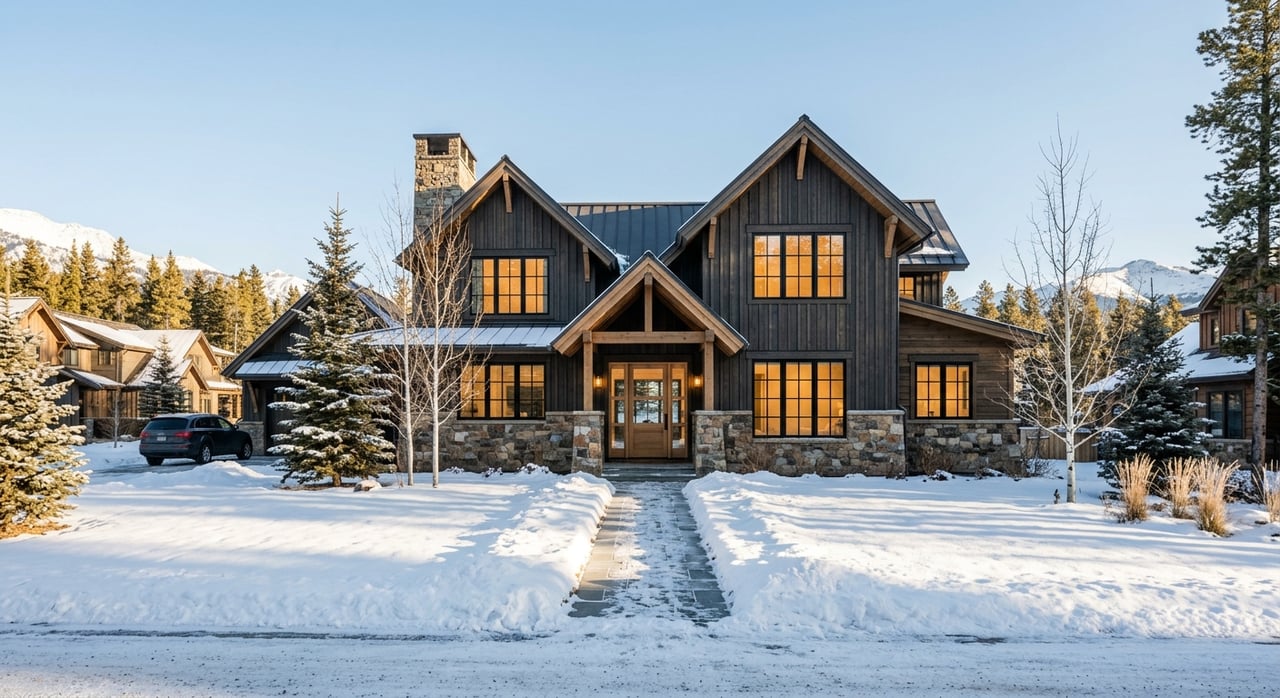
If you want a home base that balances daily convenience with Roaring Fork Valley access, Carbondale deserves a close look. For many buyers, the challenge is not just finding the right house, but choosing the right part of town for your commute, routines, and long-term lifestyle. This guide breaks down the main neighborhood types in Carbondale so you can compare walkability, school access, commute patterns, and price positioning with more confidence. Let’s dive in.
Why Carbondale Works for Many Buyers
Carbondale has long served as a bedroom community for Aspen and other valley job centers, but it is more than a stop between destinations. According to the Town of Carbondale Comprehensive Plan, the town is designed as a traditional, compact townsite that supports walkability and smart growth.
That compact layout matters in daily life. The same plan notes that six schools and the Third Street Center sit within half a mile of the historic core, which helps explain why many buyers focus on convenience as much as home style or lot size.
Commute Times From Carbondale
For commuters, Carbondale offers a practical mid-valley location. Typical drive times are about 20 minutes to Basalt, 30 minutes to Glenwood Springs, and 41 minutes to Aspen, based on Travelmath drive-time data.
In simple terms, that makes Carbondale especially appealing if you work in Glenwood Springs, Basalt, or elsewhere in the mid-valley. Aspen is still reachable, but it is the longest and most weather-sensitive of the three common commutes.
Transit Adds Flexibility
Carbondale also has a strong public transit backstop. The Roaring Fork Transportation Authority operates the Roaring Fork Valley Local route through Glenwood Springs, Carbondale, El Jebel, Basalt, Snowmass Village, and Aspen.
For trips within town, the free Carbondale Circulator runs every 15 minutes from early morning to evening daily. Stops include Carbondale Park & Ride, Main Street and Highway 133, Carbondale Marketplace, the pool, and central in-town locations.
If you want to reduce drive time stress, especially during peak winter or event traffic, access to RFTA can be a meaningful factor when comparing neighborhoods.
Old Town and Downtown Carbondale
Old Town is the historic residential area just south of Main Street. The town’s comprehensive plan describes it as having a high concentration of older homes, and it is closely tied to the historic core.
For many commuters and families, this is the most practical in-town option. You are closer to downtown errands, civic uses, and many of the day-to-day destinations that make life easier without always getting in the car.
Why Buyers Choose Old Town
Old Town stands out for buyers who want a walkable setting. Because the historic core is compact and pedestrian-scaled, this area tends to be the strongest fit if you value being near Main Street, local services, and school access.
The location also supports simple routines. Shorter drives, easier bike trips, and more direct access to bus stops can make a noticeable difference if your schedule includes school drop-offs, commuting, or frequent trips around town.
School Access Near Old Town
School proximity is one of Old Town’s biggest strengths. Roaring Fork Schools serves the area, and public campus information shows Crystal River Elementary at 160 Snowmass Drive, Carbondale Middle at 180 Snowmass Drive, Roaring Fork High School at 2270 Highway 133, and Bridges High School at 444 Weant Boulevard.
Carbondale Middle School also notes on its school page that it is nestled in downtown Carbondale, which reinforces how closely the town core and school system overlap. For many households, that means shorter drives and easier bus or bike connections from in-town neighborhoods.
What to Keep in Mind
Because Old Town is older and more established, housing styles and lot layouts can vary. The comprehensive plan also notes that some older neighborhoods may support accessory dwelling units where original approvals allow them, which can be relevant if you are thinking about flexibility over time.
The tradeoff is usually inventory style rather than convenience. If your top priority is newer construction or a planned amenity package, you may want to compare Old Town with newer neighborhood options.
River Valley Ranch
River Valley Ranch, often called RVR, is Carbondale’s best-known master-planned neighborhood. According to the community’s welcome materials, it includes 554 home-sites, about 1.5 miles of Crystal River frontage, more than five miles of hiking and biking trails, and the Ranch House amenity center with a pool, tennis, fitness, and social space.
Its housing mix is also broader than many buyers first expect. RVR includes custom homes along with single-family homes, townhomes, and condos across sub-associations such as Old Town, The Settlement, Crystal Bluffs, The Boundary, and Twenty-Four/The Fairways.
Why Buyers Choose River Valley Ranch
If you want neighborhood amenities built into daily life, RVR is usually the clearest choice in Carbondale. Trails, recreation features, and community infrastructure are a major part of its appeal.
For families, that can mean more nearby options for outdoor time and activities. For commuters, it can mean a more self-contained neighborhood experience, even if you still drive for many daily trips.
Price Positioning in RVR
RVR should be viewed as one of Carbondale’s more premium options. Redfin’s River Valley Ranch market page shows a February 2026 median sale price of $2.86 million, and the research across sources consistently places it above many other Carbondale neighborhood types.
That does not make it the right or wrong fit. It simply means your budget should line up with the lifestyle package, amenities, and housing stock available there.
Edge Areas and Surrounding Subdivisions
Not every Carbondale buyer wants to live in the historic core or in a master-planned neighborhood. The town plan identifies other developed areas such as Keator Grove, along with edge areas including Satank, Mountain Valley Mobile Home Park, and Rock Creek Subdivision.
These areas are best understood as part of Carbondale’s broader housing ecosystem. Some are more workforce-oriented, some may feel older or more rural, and many are likely to be more car-dependent than neighborhoods near the compact core.
What Makes These Areas Different
The biggest difference is often how you move through your day. Outside the historic center, you are more likely to rely on a car for errands, school trips, and some commuter routines.
That said, Carbondale’s overall size still works in your favor. Even neighborhoods outside the core remain tied into a mid-valley pattern, especially with the support of the local and regional RFTA routes.
A Broader Range of Housing Types
Carbondale’s housing mix includes market-rate, workforce-oriented, and publicly or nonprofit-supported options. The town’s Community Housing Plan notes that Aspen Skiing Company partnered in Keator Grove to create more than 30 units of employee housing, and it references roughly 240 affordable rental units in town managed by nonprofit or public partners.
For buyers, this matters because neighborhood comparisons in Carbondale are not just about home size or style. They are also about how each area fits your budget, transportation needs, and day-to-day priorities.
Which Area Fits Your Lifestyle?
If you are narrowing your search, it helps to think in terms of lifestyle first and property type second. In Carbondale, the strongest neighborhood distinctions are less about raw mileage and more about how you want your week to function.
Here is a simple way to frame it:
- Choose Old Town or downtown-adjacent areas if you want walkability, easier access to schools, and close proximity to Main Street routines.
- Choose River Valley Ranch if you want a higher-end neighborhood with planned amenities, trail access, and a more structured community feel.
- Choose edge subdivisions or surrounding areas if you want to explore a broader range of housing types and do not mind a more car-based daily pattern.
What Families Should Verify Before Buying
Even in a compact town, details still matter. School attendance should always be confirmed by address with Roaring Fork Schools, since campus locations are easier to verify publicly than exact assignment boundaries.
You should also look closely at transportation habits. A neighborhood that feels close on a map may function differently depending on whether you plan to drive, bike, take the bus, or mix all three.
Finally, think about your schedule beyond work. Grocery runs, after-school pickups, recreation, and winter driving conditions often shape satisfaction with a neighborhood as much as commute time alone.
A Practical Way to Start Your Search
The best Carbondale neighborhood for you depends on what you want your everyday life to look like. Some buyers want to walk to more destinations and stay close to the town core, while others prefer amenities, newer housing patterns, or a little more separation from downtown.
If you are comparing Carbondale with other Roaring Fork Valley options, or trying to decide which part of town best matches your budget and commute, local guidance can save you time. To talk through neighborhoods, timing, and available opportunities across the valley, start the conversation with Aspen Snowmass Group.
FAQs
Which Carbondale neighborhood is best for walkability?
- Old Town and downtown-adjacent areas are generally the strongest fit for walkability because they sit closest to Main Street, civic uses, and several school campuses.
Which Carbondale neighborhood is best for amenities?
- River Valley Ranch is Carbondale’s most amenity-rich neighborhood, with trail access, Crystal River frontage, and the Ranch House with pool, tennis, fitness, and social space.
How long is the commute from Carbondale to Aspen?
- Typical driving time from Carbondale to Aspen is about 41 minutes under normal conditions, though weather and traffic can affect that trip.
Are Carbondale schools close to downtown neighborhoods?
- Yes. Carbondale’s schools are concentrated enough that many in-town neighborhoods support short drives, bike trips, and bus connections.
Do Carbondale neighborhoods have public transit access?
- Yes. RFTA serves Carbondale with the Roaring Fork Valley Local route, and the free Carbondale Circulator runs through key in-town stops every 15 minutes.
Are all Carbondale neighborhoods equally car-dependent?
- No. Old Town and downtown areas are generally less car-dependent, while edge subdivisions and areas outside the compact core often rely more on driving for daily trips.