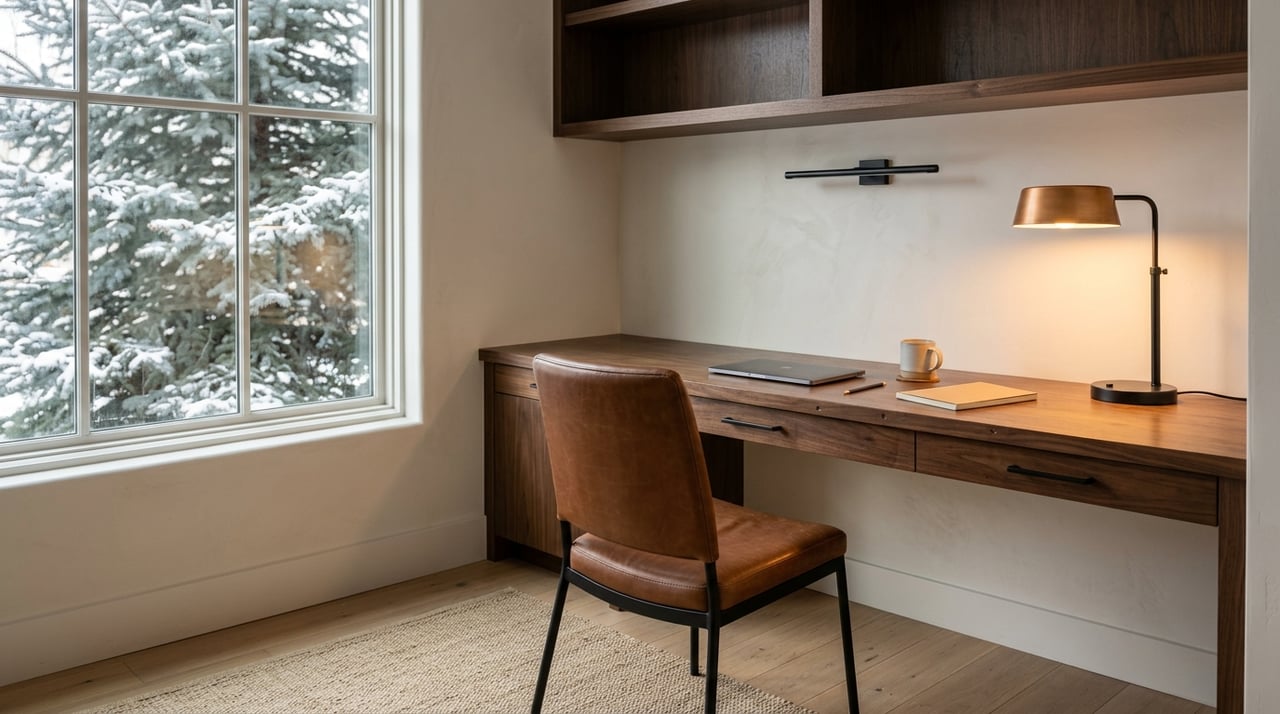
Looking for a mountain town where you can take a morning call, grab coffee on Main Street, squeeze in a trail ride after work, and still feel plugged into a real creative community? Carbondale stands out for exactly that mix. If you are weighing a move, a second home, or a lifestyle shift within the Roaring Fork Valley, this guide will help you understand how everyday living in Carbondale actually works. Let’s dive in.
Why Carbondale works for daily life
Carbondale sits at the base of Mt. Sopris between Glenwood Springs and Aspen, in the valley shaped by the Crystal and Roaring Fork Rivers. The town’s estimated population was 6,762 as of July 1, 2025, which keeps the scale small enough to feel local and connected.
For remote professionals, the numbers are notable. An estimated 97.8% of households report a broadband subscription, 53.0% of adults hold a bachelor’s degree or higher, and median household income is $108,324. Taken together, that points to a town with strong digital connectivity and a meaningful base of knowledge workers.
Carbondale’s town-centered layout
One of Carbondale’s biggest strengths is how grounded daily life feels around the core of town. The town’s comprehensive plan describes a compact, intact townsite with a pedestrian-scaled Main Street, an Old Town residential area south of the historic core, and older single-family neighborhoods farther from the center.
That matters if you want a routine that feels easy rather than scattered. You can picture a workday that starts at home, moves through downtown for coffee or lunch, and ends with errands or time outdoors without covering a lot of ground.
The same planning documents also show that Carbondale has been leaning toward denser infill, live-work structures, and light manufacturing spaces. For creatives and entrepreneurs, that adds another layer to the town’s identity. This is not just a scenic stop in the valley. It is a place with a deliberate vision for how people live and work.
Remote work options in Carbondale
Coworking in the core
If you want a dedicated professional setup, COVENTURE at 201 Main Street is the clearest coworking option in town. Its offerings include conference rooms and weekday access, and the local chamber describes it as a coworking business incubator with coworking, incubation, acceleration, venture capital, private offices, executive suites, and conference rooms.
For remote professionals, that creates a practical middle ground between working entirely from home and trying to build a full workday around a café table. It also gives founders and independent professionals a more structured place to meet, focus, and host conversations.
Coffee shops for flexible workdays
Carbondale also has a strong café rhythm downtown. Bonfire Coffee on Main Street is a well-known local gathering place serving fair-trade organic coffee.
True Nature Healing Arts Cafe offers coffee, tea, breakfast, and lunch, and specifically notes that it works well for short laptop sessions. Plosky’s Deli includes a full coffee bar with breakfast and lunch, while Cristaudo’s brings together café, bakery, and coffee service downtown.
For you, that means remote work in Carbondale can be flexible. You may prefer a formal office for deep-focus days and cafés for lighter work, quick emails, or casual meetings. The concentration of these businesses in and around the core supports that kind of routine.
A real creative ecosystem
Carbondale is not just creative in a loose lifestyle sense. It is marketed as a Colorado Creative District, and the chamber describes the town as home to upward of 200 creative organizations, businesses, artists, and artisans.
That gives the town a more established feel than places where arts activity comes and goes. Carbondale Arts has been connecting people through exhibitions and events for more than 50 years, which signals long-term community investment rather than a passing trend.
Studio and maker spaces
If your work is hands-on, the local infrastructure stands out. S.A.W., short for Studio for Arts + Works, is a renovated former auto shop that now includes ceramics, painting, printmaking, and jewelry studios.
The Carbondale Clay Center adds classes, studio rentals, residencies, and gallery or retail space. The Launchpad contributes performing-arts studios and gallery space in the center of town. Together, these places help explain why Carbondale can appeal to both full-time artists and professionals who want to stay close to a creative scene.
Art in everyday spaces
Carbondale also makes art visible in daily life. The Art aRound Town program has placed rotating outdoor sculptures around town since 1999, so public art is part of the streetscape rather than something tucked away.
That detail matters more than it may seem. When creativity is woven into public space, the town feels active and lived-in. For many buyers, that shapes the overall experience of being here just as much as any one event or venue.
Events and entertainment year-round
A strong daily-life market is not only about where you work. It is also about what you can do without needing a major plan. In Carbondale, recurring events and smaller cultural venues help keep the town active.
Carbondale Arts programs events such as Mountain Fair, First Friday, gallery openings, and the Green Is the New Black Fashion Show. Mountain Fair, in particular, is described as a community-made summer tradition with live music, contests, a kids’ area, and more than 120 artisans.
For regular outings, Steve’s Guitars hosts weekly live music in an intimate listening-room setting. Carbondale Beer Works advertises live music on the patio, and the Crystal Theatre offers a single-screen art-house and commercial film option downtown.
That mix can make a big difference if you are comparing valley towns. You are not relying on a handful of peak-season weekends. There is enough recurring programming to support a fuller year-round routine.
Outdoor access close to town
For many people considering Carbondale, outdoor access is not a bonus. It is part of the baseline. The town’s location at the base of Mt. Sopris and near the Crystal and Roaring Fork Rivers shapes everyday life in a very direct way.
The Rio Grande Trail runs through the valley as a 43-mile corridor. Winter sections between Glenwood Springs and Carbondale are plowed when snowfall exceeds 3 inches, which reinforces that the trail is useful beyond summer.
The Crystal Valley Trail adds a 7.25-mile paved route for hiking and biking, with the Town of Carbondale managing 2.2 miles of that corridor. If you want movement built into your week, these trail systems help make that realistic.
Quick access to trail networks
Recreation near Carbondale is also unusually close to town. Red Hill, just north of Carbondale, is managed primarily for mountain biking and hiking and sees more than 40,000 visitors per year, according to the BLM.
The Crown recreation area near Carbondale is also trail-focused, with mountain biking as a primary use and hiking, equestrian use, and some motorized use allowed. For many remote workers, this is part of the appeal: your break from the screen does not require a long drive.
Getting around without overcomplicating life
If you are trying to maintain a car-light routine, transit matters. RFTA operates a free Carbondale Circulator that serves local stops and the park-and-ride.
Roaring Fork Valley Local service also connects Glenwood Springs, Carbondale, El Jebel, Basalt, Snowmass Village, and Aspen. That broader valley connection can be useful if your work, clients, or social routine regularly move between towns.
No small mountain town is going to function exactly like a major city. Still, Carbondale offers more mobility than many buyers expect, especially given its scale.
Housing patterns to understand
If you are thinking about buying in Carbondale, it helps to understand what the housing stock looks like on the ground. The town’s planning documents describe a mix of historic in-town homes, older single-family neighborhoods farther from the core, and a newer emphasis on denser infill.
There are also live-work structures and light manufacturing spaces that reinforce the town’s creative identity. In practical terms, that means your options may vary widely depending on whether you want charm near downtown, a more traditional neighborhood setting, or a property type that supports a flexible work-life setup.
What the numbers say
Carbondale had 2,600 total housing units in 2022, according to the town’s community housing plan. That same plan notes 144 deed-restricted, rent-capped, or town-owned affordable units, with a goal of reaching 288 units by 2032.
Census estimates for 2020 through 2024 show a 63.7% owner-occupied housing rate, a median owner-occupied value of $900,600, and a median gross rent of $2,167. Those figures point to a market where demand is meaningful and affordability remains an active local issue.
What buyers should take from this
For you as a buyer, Carbondale can be understood as a compact mountain town with character-rich older homes, selective infill, and ongoing housing policy discussions. Inventory type, location within town, and daily-use priorities can have a big impact on which properties make sense.
If you work remotely or split time in the valley, it is worth thinking beyond square footage alone. Walkability, access to trails, proximity to Main Street, and how a home supports your work routine may matter just as much as the finishes or bedroom count.
Why Carbondale appeals to creatives and remote pros
Carbondale’s strongest case is not one single amenity. It is the way several pieces fit together. You have a compact downtown, strong household broadband adoption, a dedicated coworking option, a visible arts community, recurring events, trail access, and regional transit connections.
That combination is hard to replicate. It gives you a lifestyle that can feel productive during the week and grounded after hours, without losing the identity of a small mountain town.
If you are exploring Carbondale as a place to buy, invest, or relocate within the Roaring Fork Valley, a clear understanding of daily life is just as important as pricing and inventory. The right fit comes from knowing how you actually want to live here. When you’re ready to talk through neighborhoods, property types, or valley-wide options, Aspen Snowmass Group can help you move with clarity.
FAQs
What makes Carbondale appealing for remote workers?
- Carbondale combines strong broadband adoption, a compact downtown, café options, a dedicated coworking space, and valley transit connections that support a flexible work routine.
What coworking space is available in Carbondale?
- COVENTURE at 201 Main Street is the main dedicated coworking option in town, with conference rooms, private offices, executive suites, and related business support.
What creative spaces are available in Carbondale?
- Carbondale offers spaces such as S.A.W., the Carbondale Clay Center, and The Launchpad, which support studio work, classes, residencies, performing arts, and gallery activity.
What outdoor access does Carbondale offer for everyday living?
- Carbondale has access to the Rio Grande Trail, the Crystal Valley Trail, Red Hill, and the Crown recreation area, giving you nearby options for biking, hiking, and regular outdoor time.
What should homebuyers know about Carbondale housing?
- Carbondale’s housing includes historic in-town homes, older single-family neighborhoods, and newer infill, with census and town data showing a constrained market and ongoing affordability discussions.