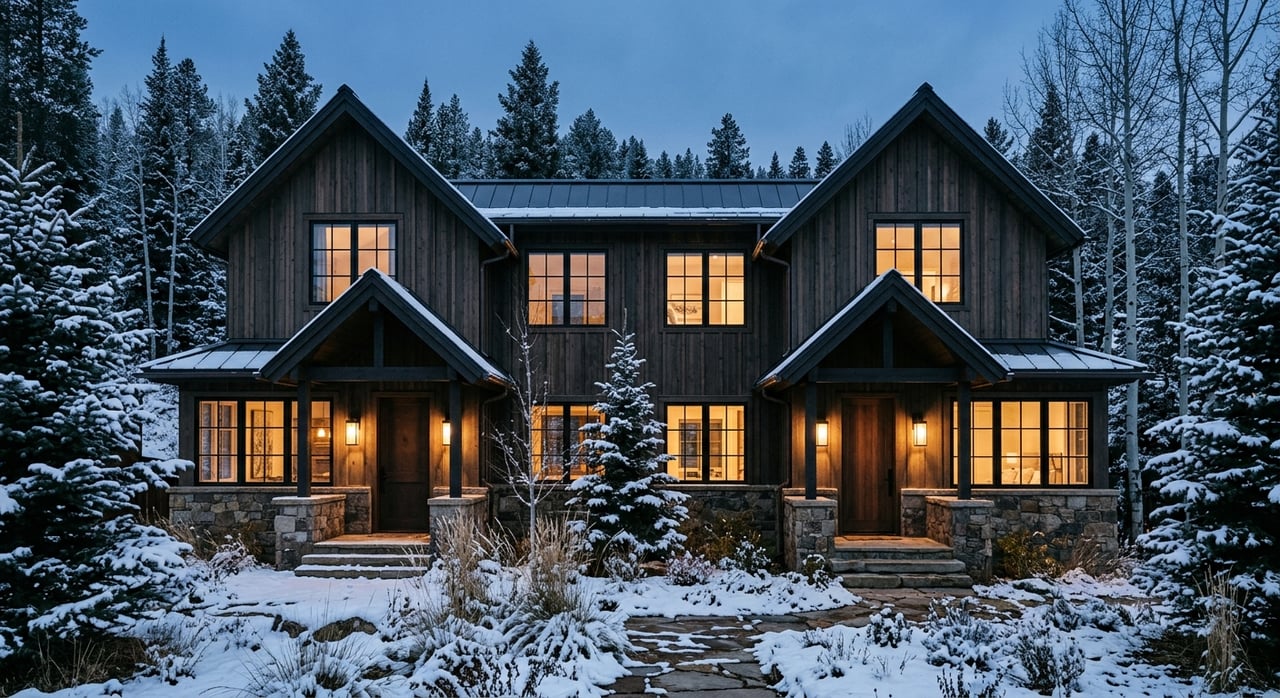
Are you thinking about buying a rental property in Basalt or the mid-valley, but not sure where the numbers and rules really point? You are not alone. This part of the Roaring Fork Valley offers strong demand and limited housing, but each town plays by a different set of economics and rental regulations. If you want to buy with more clarity and fewer surprises, this guide will help you compare Basalt, Carbondale, and Glenwood Springs and focus on the rental strategy that fits the market. Let’s dive in.
Why Basalt and Mid-Valley Stand Out
Basalt sits in a unique position for investors. It benefits from resort-adjacent demand, but it also has a more year-round residential profile than Aspen. That matters if your goal is stable tenancy instead of a property that depends heavily on vacation traffic.
The broader mid-valley gives you three distinct entry points. Basalt offers strong pricing and high rents, Carbondale blends a renter-heavy workforce profile with higher home prices, and Glenwood Springs gives you a lower entry cost with a broader regional tenant base. For most buyers, the best choice comes down to balancing purchase price, rental income, and regulatory flexibility.
Basalt Market Snapshot
Current market data shows Basalt with a median listing price of $1.872 million and a median rental price of $8,000 per month. Realtor.com also shows 117 homes for sale, 57 rentals, and a median days on market of 50. Basalt is currently described as a buyer’s market.
That pricing puts Basalt firmly in the higher-end category, even by valley standards. Basalt’s housing-needs assessment noted a 2023 median home sale price of $1.3 million in its longer-run analysis, which is notably below current market-page medians. The gap is a good reminder that small mountain markets can shift quickly, so townwide averages should be a starting point, not your final underwriting tool.
Comparing Basalt, Carbondale, and Glenwood Springs
Here is the big-picture comparison based on current market medians:
| Market | Median Listing Price | Median Rent | Median Days on Market |
|---|---|---|---|
| Basalt | $1.872M | $8,000/month | 50 |
| Carbondale | $2.595M | $13,000/month | 67 |
| Glenwood Springs | $999,500 | $3,100/month | 65 |
Using those same medians as a rough screening tool, Basalt comes out to about 5.1% gross rent, Carbondale about 6.0%, and Glenwood Springs about 3.7% before expenses, financing, taxes, vacancy, or management. This is only a first-pass comparison. It is not a net yield estimate, and it should never replace property-level analysis.
What Drives Rental Demand in Basalt
Basalt looks different from a pure vacation-rental market. The town describes itself as a year-round community that is close to fully built out, with most housing occupied by full-time residents. Its housing mix is dominated by single-family detached homes, and about 32% of residents are age 60 or older.
The same housing assessment notes that growth in health care jobs is adding rental demand. That points to a tenant base that is more local and employment-linked than many buyers expect. In practical terms, Basalt may be better suited to renters looking for stability rather than short seasonal stays.
Vacancy Still Favors Owners
Rental vacancy remains tight by normal standards across this part of the valley. Basalt’s housing assessment reports average 2023 rental multifamily vacancy at 0.4% in Pitkin County and 4.9% in Garfield County. The report also says these low vacancy rates indicate a need for more rental housing.
For you as a buyer, that does not mean every property will lease instantly. It does mean the bigger risk is often pricing the unit wrong or buying a property that does not match local tenant demand. In a tight market, the right unit type and lease strategy matter more than broad assumptions about “easy” occupancy.
Why Rental Strategy Matters More Than Ever
In Basalt and the mid-valley, the difference between a short-term rental and a 30-day-plus rental is not just operational. It can reshape your entire investment case. Local rules define short-term rentals as stays of less than 30 consecutive days, which means medium-term and long-term rentals are generally outside the short-term licensing framework.
That distinction can make a major difference in both cost and complexity. If you are buying for income, the first question is often not “How much can this rent for?” It is “What kind of rental is this property legally and practically suited for?”
Basalt Short-Term Rental Rules
Basalt has become a costly place to operate a short-term rental. The town requires an annual short-term-rental business license before a property is advertised or rented for stays under 30 days. It also requires a building inspection, and the license is address-specific and non-transferable.
Basalt’s published fee structure includes a $460 annual license cost. A 2025 ordinance also added a short-term-rental regulatory fee of $2,532 per bedroom, effective June 1, 2025. On top of that, Basalt says its lodging tax on short-term rentals will be 6% as of January 1, 2026.
There are also operating requirements to keep in mind. The town requires a local owner or designated representative in the Roaring Fork Valley who is on-call. Basalt also spans both Eagle and Pitkin counties, so the parcel location can affect local tax administration.
Carbondale and Glenwood Springs Rules
Carbondale is the most restrictive of the three if you hope to convert a property into a future vacation rental. The town requires a short-term-rental license for stays under 30 days, but new licenses are generally limited to either the applicant’s primary residence or properties in the Historic Commercial Core zone district. The license is also non-transferable, and the town requires a local contact person who can respond within 60 minutes.
Glenwood Springs allows short-term rentals more broadly, but it still has meaningful limits. The city requires permits for rentals under 30 days, applies a 250-foot buffer from another operating short-term rental permit, and caps permits at 5% of free-market units citywide outside the General Improvement District and 15% within the GID. The city also says short-term rentals are not allowed in ADUs, and the owner must designate a responsible party within a 30-minute drive who can respond 24/7.
Best Fit by Market
Basalt: Long-Term Stability
Basalt often makes the most sense as a long-term or medium-term rental market. Given the town’s pricing, year-round occupancy, and the cost burden tied to short-term use, many buyers will find that a 30-day-plus strategy is easier to operate and easier to underwrite. That can appeal to local professionals, relocating households, or second-home owners who want some income without the friction of nightly rental management.
Carbondale: Useful, but Less Flexible
Carbondale can be attractive on a gross-rent screening basis, but its short-term-rental rules reduce future flexibility. That usually makes it more suitable for a 30-day-plus rental approach or an owner-occupied property with limited rental income goals. Its renter-heavy housing profile and workforce base support that use case.
Glenwood Springs: Lower Entry Cost
Glenwood Springs offers the lowest barrier to entry based on current median listing prices. It also benefits from a more diversified local economy and a strong regional role in transportation, health care, and retail. Still, the current rent-to-price relationship is weaker than Basalt or Carbondale, so it may be a better fit if you value lower upfront capital outlay and broader tenant demand over stronger initial gross yield.
A Smarter Underwriting Checklist
Before you buy, keep your analysis practical and property-specific. In this market, a solid acquisition decision usually starts with a few key checks:
- Confirm whether the parcel is inside town limits
- Review HOA documents and private covenants
- Verify the property can legally be used as a rental
- Decide whether the home fits a 30-day-plus lease strategy or a short-term model
- Compare projected income against management, taxes, vacancy, and operating costs
- Use property-level comps instead of relying only on town medians
This is especially important in Basalt and the mid-valley, where regulatory differences can be large enough to change the entire investment outcome. A property that looks attractive in a listing may perform very differently once local rules and operating costs are factored in.
What This Means for You
If you are buying a rental property in Basalt and mid-valley, the strongest opportunities are often the ones with a clear operational path. Basalt can work well as a capital-preservation play with partial income. Carbondale can support longer-term rental demand but offers less short-term flexibility. Glenwood Springs can lower your entry price while still giving you access to a deep regional tenant base.
The key is to match the property to the right rental strategy before you go under contract. In this market, that kind of discipline can save you time, protect your downside, and put you in a better position to buy with confidence.
If you want help comparing properties, pressure-testing rental strategy, or navigating Basalt and the mid-valley with a local, numbers-driven approach, start the conversation with Aspen Snowmass Group.
FAQs
What is the median home price in Basalt for rental property buyers?
- Current market data shows Basalt with a median listing price of $1.872 million, though individual property values can vary widely by location, type, and condition.
Are short-term rentals allowed in Basalt, Colorado?
- Yes, but Basalt requires a short-term-rental business license for stays under 30 days, along with inspections, fees, and local management compliance.
Is Carbondale a good market for vacation rentals?
- Carbondale is generally less flexible for vacation rentals because new short-term-rental licenses are limited mainly to primary residences or properties in the Historic Commercial Core zone district.
Is Glenwood Springs more affordable than Basalt?
- Based on current market medians, yes. Glenwood Springs has a median listing price of $999,500, which is substantially lower than Basalt’s $1.872 million.
What rental strategy often works best in Basalt and mid-valley?
- For many buyers, a medium-term or long-term rental strategy makes the most sense because local demand is year-round and the regulatory burden for short-term rentals can be much higher.
What should you check before buying a rental property in Basalt or mid-valley?
- Focus on town limits, HOA rules, legal rental use, lease strategy, and full operating costs so your purchase matches both the market and local regulations.